November 17, 2026
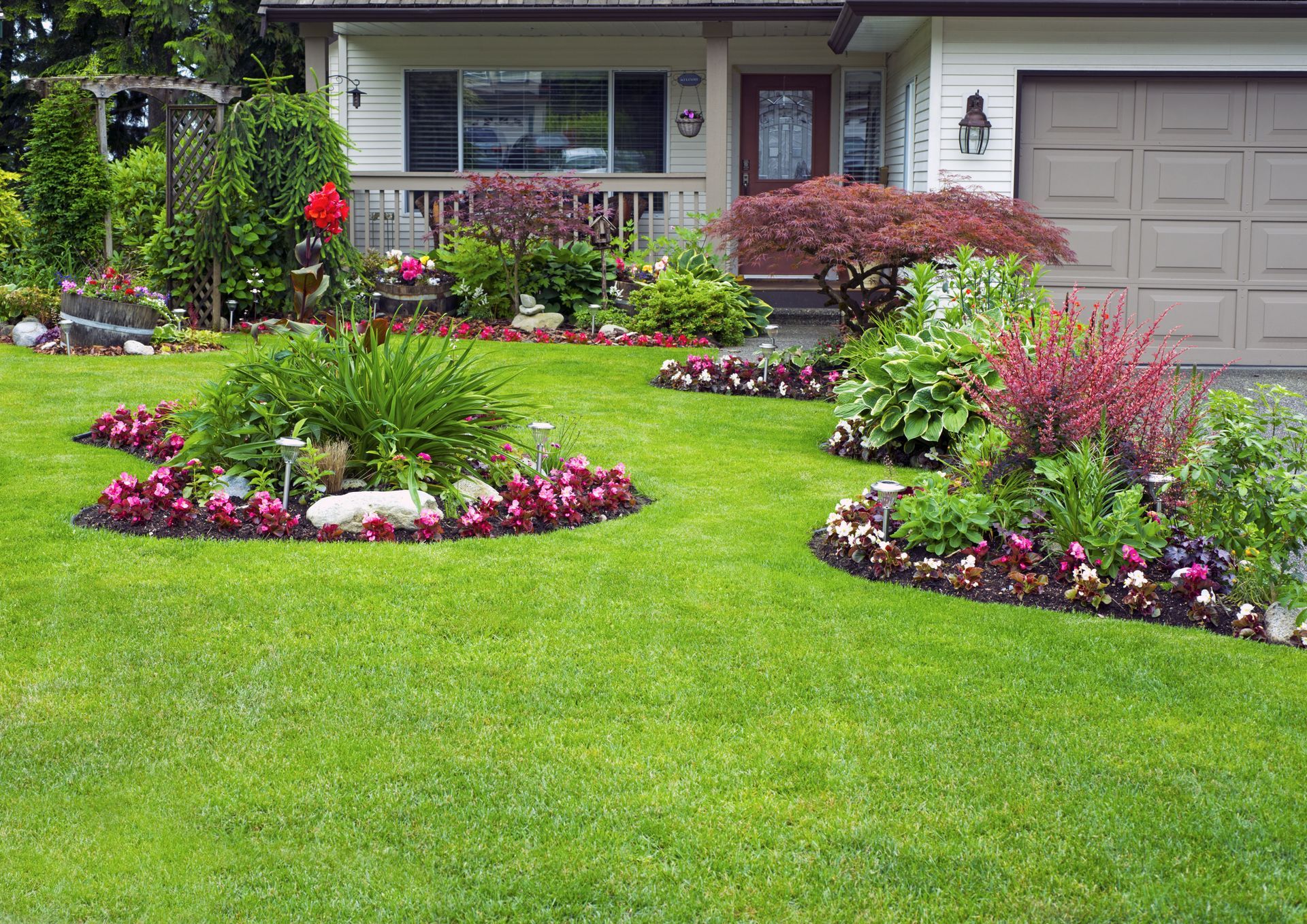
The modern era is witnessing a remarkable transformation in how individuals perceive and cultivate their personal outdoor spaces. Across the country, homeowners are actively reimagining their yards, turning underutilized grass patches into vibrant, sustainable, and productive havens. This widespread domestic movement blends traditional self-reliance with cutting-edge environmental technology, creating outdoor retreats that enhance daily living while promoting ecological balance.
Connecting Communities and Social Media Networks
Online networking spaces and digital media have significantly accelerated the widespread adoption of horticultural practices. Social applications allow passionate growers to showcase vertical structures, compost arrangements, and inventive patio configurations to global audiences. According to Raleigh Realty, the United States is one of the top three gardening countries, a reality clearly reflected in the massive volume of online gardening exchanges and digital forums. Beginners readily acquire functional tips from seasoned horticulturists, shortening the learning curve associated with managing challenging plants.
These supportive virtual networks empower individuals to navigate seasonal pests, regional soil imbalances, and unusual climate swings with greater confidence. Novice planters find reassurance when experienced members share lessons learned from failed experiments or unanticipated weather events. Furthermore, digital exchanges often translate into real-world collaboration through neighborhood seed exchanges, tool libraries, and local crop shares. By blending digital advice with hands-on application, residential cultivators build cohesive communities anchored by a shared appreciation for environmental conservation.
Analyzing the Economic Factors Driving Sustainable Spaces
Financial considerations represent another powerful incentive fueling this widespread outdoor movement. Enhancing residential property through thoughtful landscaping yields a reliable return, often raising overall property appraisals significantly faster than interior decorative renovations. Homeowners view structural investments, such as raised cedar beds, shaded pergolas, and exterior dining zones, as long-term property improvements. To secure top-quality foundational materials, soil amendments, and perennial rootstocks, discerning homeowners frequently browse specialized regional garden stores that offer localized planting expertise.
Beyond boosting real estate valuations, cultivated outdoor spaces offer ongoing household cost reductions. Growing specialty organic vegetables, herbs, and dwarf fruit trees can dramatically cut down weekly supermarket expenses over the course of a single growing season. Moreover, passive exterior improvements, such as placing deciduous trees along sunny walls, naturally cool interior spaces during blistering summer afternoons, directly cutting electricity costs. Developing productive outdoor square footage offers households tangible economic security in an unpredictable economic landscape.
Implementing Permaculture Principles and Organic Practices
Transitioning toward organic cultivation and permaculture designs enables homeowners to cooperate with nature instead of relying on synthetic interventions. Eliminating synthetic weedkillers and systemic insecticides safeguards crucial microbial networks that maintain healthy subterranean ecosystems. Routine composting recycles kitchen scraps and yard waste into nutrient-dense humus, eliminating the necessity for bagged synthetic plant food. Homeowners routinely locate specialty cover crops, beneficial worms, and premium biological soil treatments by visiting their regional garden stores during the early spring months.
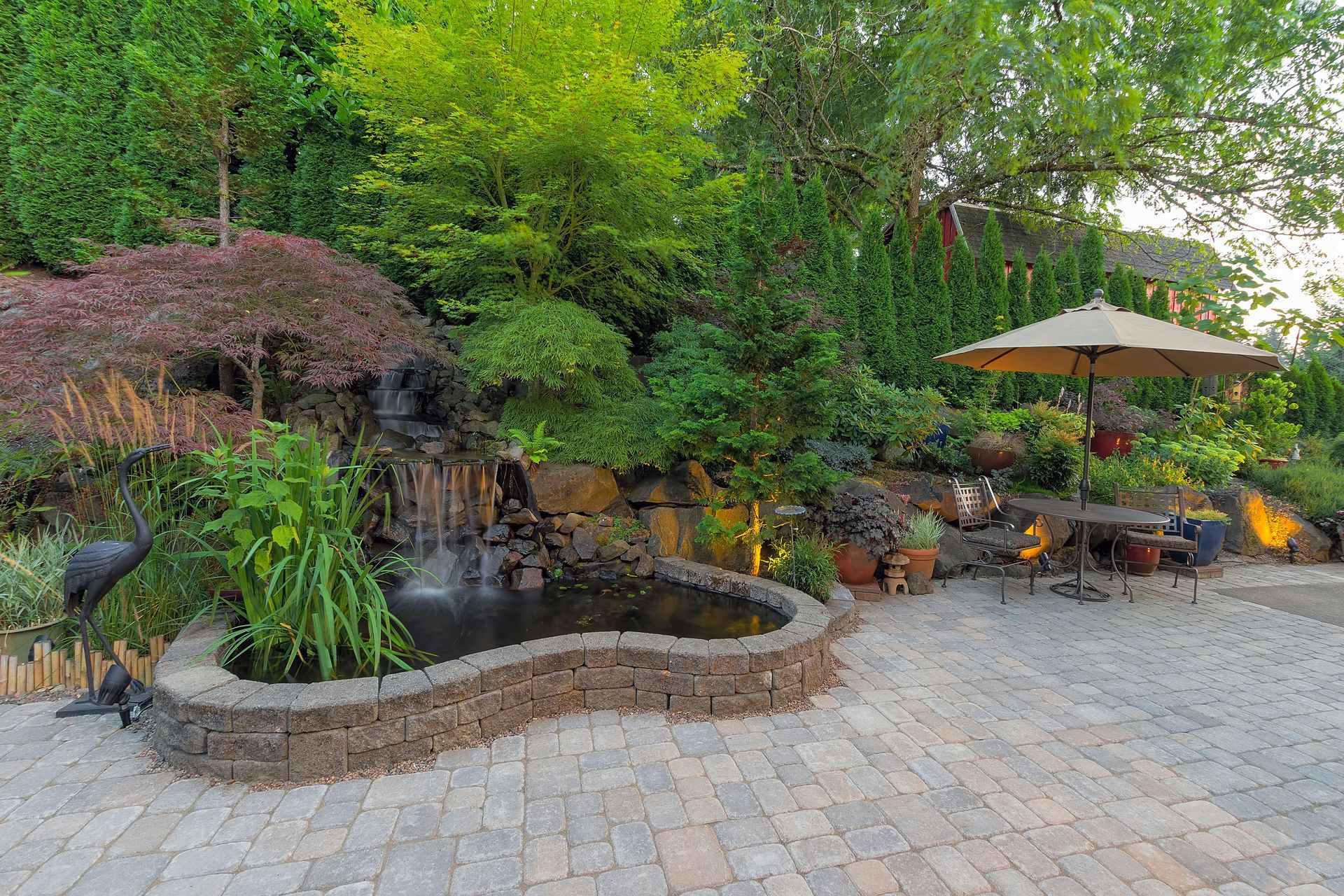
Permaculture frameworks structure outdoor plots into interconnected guilds where every distinct plant provides mutual benefits to its neighbors. For instance, dynamic accumulator plants channel essential trace minerals upward, while nitrogen-fixing groundcovers nourish adjacent heavy feeders. Permaculture arrangements frequently integrate natural swales to divert rainfall directly toward deep root channels, preventing erosion and retaining ground hydration naturally. This systems-based approach minimizes human labor while establishing balanced ecosystems that resist infestations and adapt seamlessly to shifting weather patterns.
Adopting Advanced Water Conservation Methods
Adopting modern water stewardship allows homeowners to maintain lush, productive plots without putting pressure on local aquifers. Rain barrels, buried cisterns, and diverted downspouts store high-quality soft water, providing ideal moisture for sensitive crops during hot, dry spells. Efficient drip hoses and subterranean soaker lines place moisture precisely where root structures can absorb it, drastically curbing evaporation. To source specialized timer switches, pressure gauges, and durable drip emitters, suburban property owners head out to neighborhood garden stores for technical advice. With environmental concerns growing, these practices not only promote sustainable agriculture but also contribute significantly to water conservation efforts globally.
Expanding Urban Farming and Microgreen Production
Urban farming has fundamentally transformed how metropolitan residents view small outdoor balconies, modest patios, and compact urban yards. Dense urban dwellers use tiered planter stands, window boxes, and hanging fabric sacks to cultivate vast quantities of fresh produce within limited spaces. Producing nutrient-dense food on site mitigates the ecological toll associated with cross-country freight shipping and extensive commercial processing. This localized food independence offers urban neighborhoods a dependable stream of pure, nutrient-rich produce throughout the year.
Cultivating microgreens represents one of the fastest, most productive agricultural options for homeowners managing minimal exterior square footage. Varieties like radish, sunflower shoots, mustard, and baby kale provide potent nutritional benefits while requiring only days from germination to plate. Novice city growers gather shallow planting trays, coconut coir, and certified non-GMO seeds from nearby garden stores before starting indoor windowsill rotations. Microgreens require minimal maintenance, making them an approachable introduction for aspiring gardeners living in compact urban flats.
Cultivating Wildlife Sanctuaries and Pollinator Havens
Dedicated property owners are increasingly transforming traditional sterile grass lawns into lively natural refuges for threatened indigenous wildlife. Establishing native wildflowers, nectar-rich flowering shrubs, and pollen-heavy perennials supplies critical nourishment to hummingbirds, solitary mason bees, and migrating butterflies. Homeowners supplement these plantings by erecting safe wooden bee nesting boxes, shielded songbird shelters, and clean water stations. These vital ecological additions construct safe migration paths through suburban neighborhoods that have historically displaced local fauna.
Selecting appropriate flora remains the cornerstone of any genuinely thriving backyard wildlife habitat. Native plants form mutually beneficial relationships with regional insect communities, providing optimal nutritional ratios that exotic ornamental imports simply cannot match. Homeowners discover suitable native milkweeds, bee balms, and wild berry bushes by consulting staff at local garden stores that focus on conservation landscaping. Establishing these interconnected, wildlife-friendly environments allows people to witness the daily magic of biological coexistence from their own back windows.
Incorporating Smart Technology in Garden Management
Modern technological solutions have made maintaining complex, productive residential landscapes vastly more accessible for busy individuals. Advanced soil sensors buried near plant root zones continuously transmit moisture percentages, mineral balances, and soil temperatures straight to smartphone apps. Homeowners quickly track these diagnostic metrics, ensuring their plots receive optimal hydration without wasting precious municipal water. Many tech-oriented planters buy high-precision smart valves and automated soil meters at specialized garden stores to fine-tune their seasonal irrigation schedules.
Practicing Minimalist and Low-Maintenance Garden Landscaping
Minimalist landscaping appeals directly to property owners who desire serene outdoor spaces without the burdens of intensive maintenance. This practical design philosophy favors bold structural lines, peaceful negative space, and a curated selection of slow-growing, resilient specimens over cluttered plantings. By limiting overall botanical variety and focusing on architectural evergreens, homeowners minimize pruning, weeding, and messy leaf cleanup. Those looking to implement understated minimalist designs often visit respected garden stores to purchase sculptural specimen trees, decorative river gravel, and clean metal edging.
The ongoing transformation of residential backyards represents a profound, lasting movement toward ecological awareness, physical wellness, and self-reliance. As homeowners continue replacing resource-heavy grass with fruitful, wildlife-friendly, and technologically refined sanctuaries, our neighborhoods become healthier, greener, and more resilient. The Gardens Garden Center is ready to help you plan, build, and nurture your personal backyard oasis with its unmatched selection of top-quality native plants, organic compost, and sustainable landscaping materials. Visit their knowledgeable team today to discover how easy it is to bring your sustainable outdoor dreams to life.